
Dietary habits are the usual habits occur when the person does not follow the principles of good nutrition adequacy,balance and variety.
Adequacy refers to moderate amounts of nutrients to maintain normal body function.
Balance refers to correct combination of nutrients.
Variety refers to consumption of different types of food products
Poor Dietary Habits:
- Under Consumption
- Over Consumption
Poor Dietary Habits result to:
1. Obesity
–Obesity is a condition where a person has accumulated so much body fat that it might have a negative effect on their health. If a person’s body weight is at least 20% higher than it should be, he or she is considered obese.
2. Tooth Decay
–Tooth decay is the destruction of your tooth enamel, the hard, outer layer of your teeth. It can be a problem for children, teens and adults. Plaque, a sticky film of bacteria, constantly forms on your teeth. When you eat or drink foods containing sugars, the bacteria in plaque produce acids that attack tooth enamel.
3.High Blood Pressure
–High blood pressure is a common condition in which the long-term force of the bloodagainst your artery walls is high enough that it may eventually cause health problems, such as heart disease

4. High Cholesterol
–Cholesterol is a waxy substance that’s found in the fats (lipids) in your blood. While your body needs cholesterol to continue building healthy cells, having high cholesterol can increase your risk of heart disease. When you have high cholesterol, you may develop fatty deposits in your blood vessels.
5. Heart Disease and stroke
–Stroke is a disease that affects the arteries leading to and within the brain. It is the No. 5 cause of death and a leading cause of disability in the United States. Astroke occurs when a blood vessel that carries oxygen and nutrients to the brain is either blocked by a clot or bursts (or ruptures).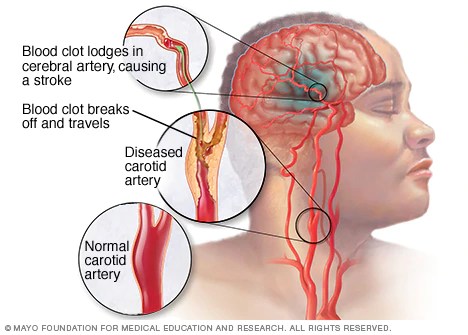
6. Type-2 diabetes
–Diabetes is a problem with your body that causes blood glucose (sugar) levels to rise higher than normal. This is also called hyperglycemia. Type 2 diabetes is the most common form of diabetes. If you have type 2 diabetes your body does not use insulin properly.
7. Certain Types of cancer
–Cancer is a group of diseases involving abnormal cell growth with the potential to invade or spread to other parts of the body. These contrast with benign tumors, which do not spread to other parts of the body.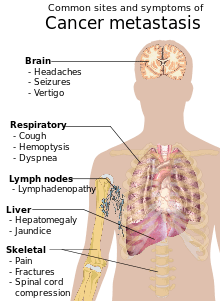
8. Osteoporosis
–Osteoporosis is a bone disease that occurs when the body loses too much bone, makes too little bone, or both. As a result, bones become weak and may break from a fall or, in serious cases, from sneezing or minor bumps. Osteoporosis means “porous bone.”
9. Depression
–Depression (major depressive disorder) is a common and serious medical illness that negatively affects how you feel, the way you think and how you act. Fortunately, it is also treatable. Depression causes feelings of sadness and/or a loss of interest in activities once enjoyed.
10.Eating disorders
-there is a commonly held view that eating disorders are a lifestyle choice. Eating disorders are actually serious and often fatal illnesses that cause severe disturbances to a person’s eating behaviors. Obsessions with food, body weight, and shape may also signal an eating disorder. Common eating disorders include anorexia nervosa, bulimia nervosa, and binge-eating disorder.

 P.E. and Health 101